October 5, 2026
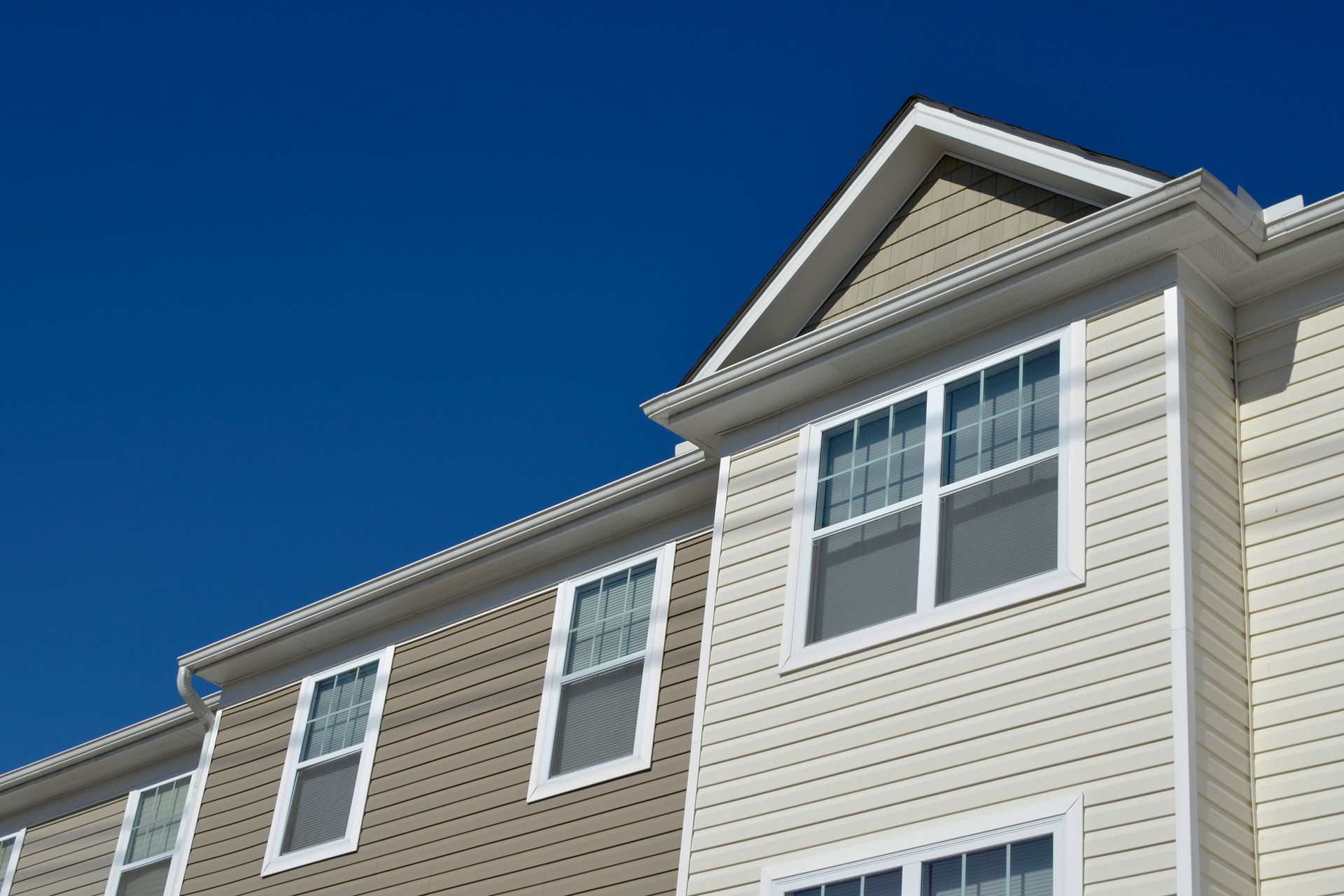
Home siding plays a significant role in the appearance and protection of a house, yet it's often misunderstood. Many homeowners fall prey to myths that affect their choices and maintenance practices. Debunking these misconceptions is vital for safeguarding your investment and maximizing the benefits of your home's siding. Let's take a moment to clarify a few common misconceptions and provide a comprehensive understanding of home siding.
Misconception 1: All Siding Materials Are High Maintenance
Understanding Siding Materials
The variety of siding materials available from a siding company vast, ranging from traditional options like wood to more modern materials such as cement board and wood. Each material has its unique benefits and maintenance requirements. For instance, wood siding offers a classic look but may require more upkeep to protect against the elements and insects. On the other hand, vinyl is known for its low maintenance and durability, making it a popular choice for many homeowners. Understanding the options available can help homeowners choose a siding material that suits both their aesthetic preferences and maintenance capabilities.
Low-Maintenance Options
In the realm of low-maintenance siding, vinyl and fiber cement are standout choices. Vinyl siding is particularly appealing because it does not require painting and is resistant to rotting or insect damage. Fiber cement is another excellent low-maintenance option due to its resistance to termites and its capability to hold up well under varying weather conditions. Another benefit is that these materials can be cleaned with just occasional washing, reducing the ongoing effort and cost. Choosing the right material can significantly decrease the home's overall maintenance needs.
Effective Maintenance Strategies
Regardless of the type of siding chosen, executing effective maintenance strategies can prolong its lifespan. For wood siding, a regular application of sealant can protect against moisture, while annual inspections can catch potential issues early. Vinyl and fiber cement may only need periodic cleaning with a pressure washer or gentle soap and water to maintain their appearance. The key is to follow the manufacturer's guidelines and address any damages quickly to prevent larger issues. According to Today's Homeowner, cedar siding, for example, can last 50 to 75 years with the right care, showing that maintenance efforts can have a significant impact on durability.
The Role of Professional Maintenance
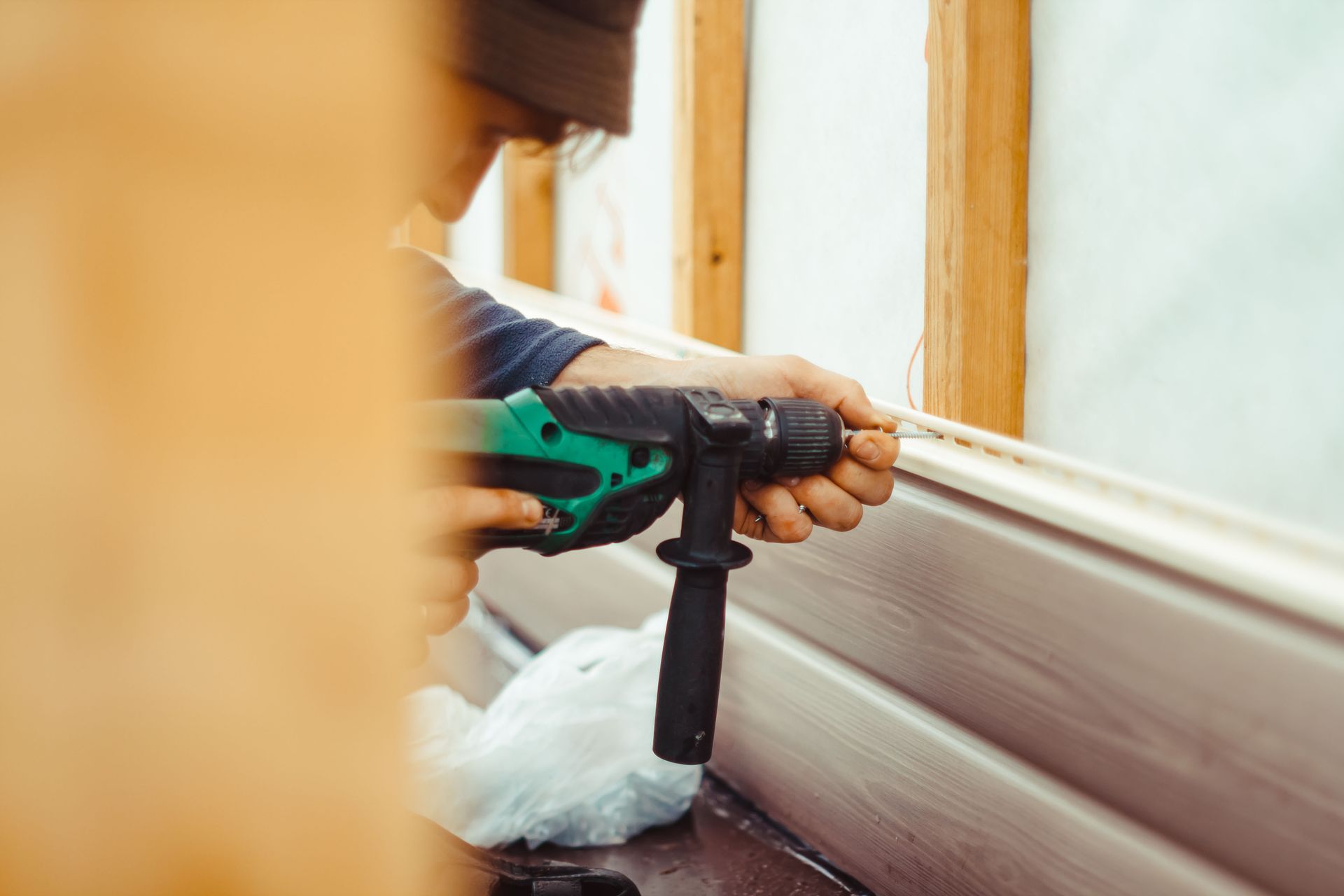
While many types of siding can be maintained by the homeowner, professional maintenance by a siding company can play a critical role in ensuring long-term performance. Professionals can provide a detailed assessment of the siding's condition, identify potential problem areas, and perform tasks that might be challenging for the average homeowner. They can also offer specialized cleaning and repair services that keep the siding in peak condition. In some cases, particularly with high-quality wood or extensive damage, professional upkeep might not just be beneficial but necessary. By investing in routine professional care, homeowners might save money by extending the life and aesthetic quality of their siding.
Costs vs. Maintenance Savings
The initial investment in low-maintenance siding materials installed by a professional siding company can be higher, but the long-term savings on maintenance costs can offset this. While wood siding requires frequent painting and sealing, an expense that adds up over time, vinyl or fiber cement generally only need minimal cleaning and less frequent attention. Moreover, less maintenance means fewer potential repairs due to neglect or wear. Homeowners can calculate the potential savings by considering both time and financial resources over decades. The result often shows a net gain when opting for materials requiring less intervention.
Misconception 2: Siding Is Solely for Aesthetic Purposes
The Protective Role of Siding
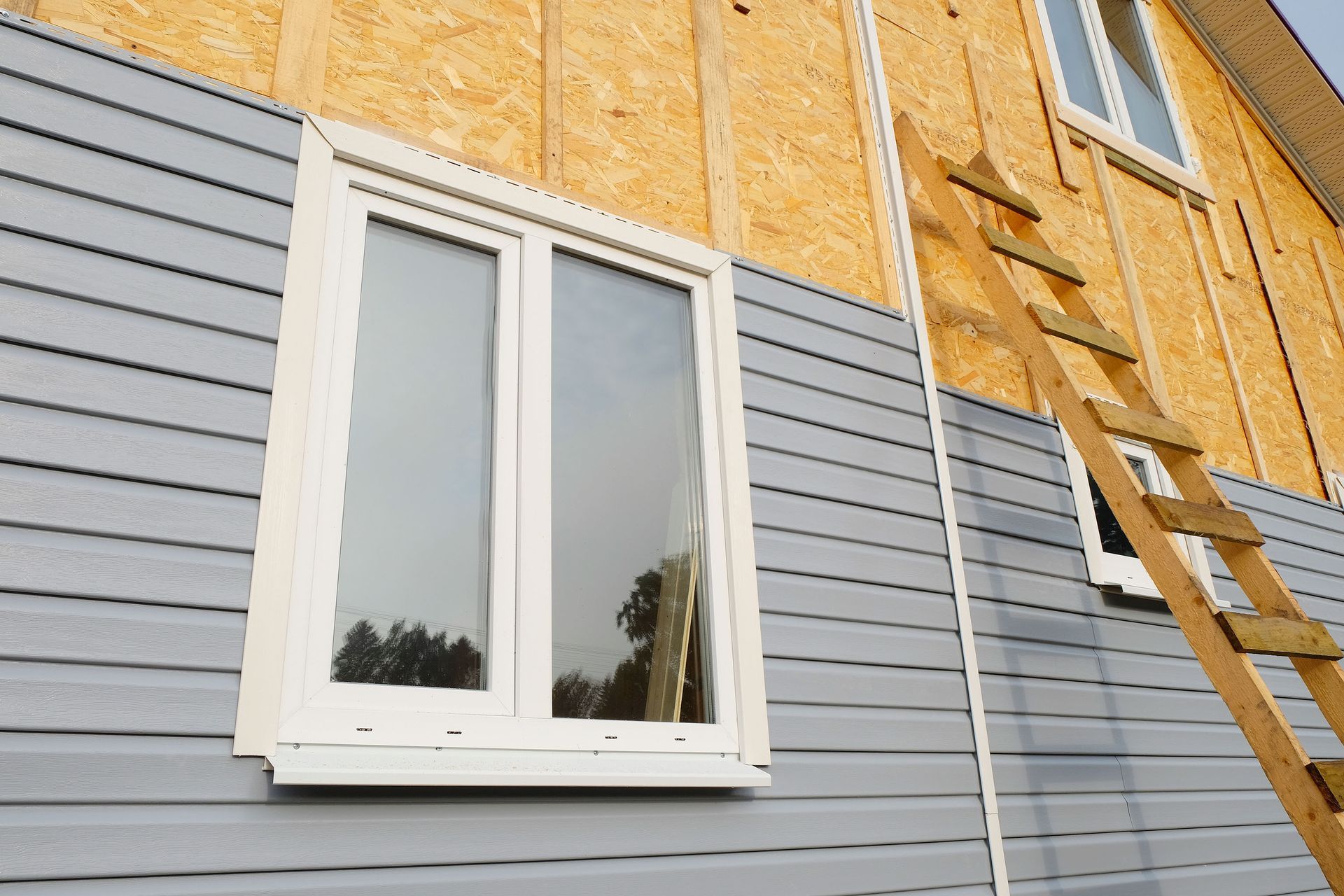
One of the primary functions of siding is to protect the home from external elements. It acts as a formidable barrier against wind, rain, snow, and extreme temperatures. Properly installed siding can help prevent water infiltration, which can lead to structural damage and mold growth. Beyond weather, siding also deters pests by eliminating gaps or entry points that insects and small animals might exploit. Thus, while aesthetics play a significant role, protection is perhaps the siding's most critical function.
Insulating Benefits
Siding also contributes significantly to a home's insulation and energy efficiency. Insulated vinyl siding, for example, adds an extra layer that helps reduce the transfer of heat or cold from the outside. This efficiency can lead to reduced energy consumption, as the home requires less heating in the winter and less cooling in the summer. Fiber cement and other materials can be combined with additional insulation layers, further enhancing this benefit. By improving insulation, siding not only facilitates a more comfortable living environment but also contributes to cost savings on energy bills.
Siding and Home Value
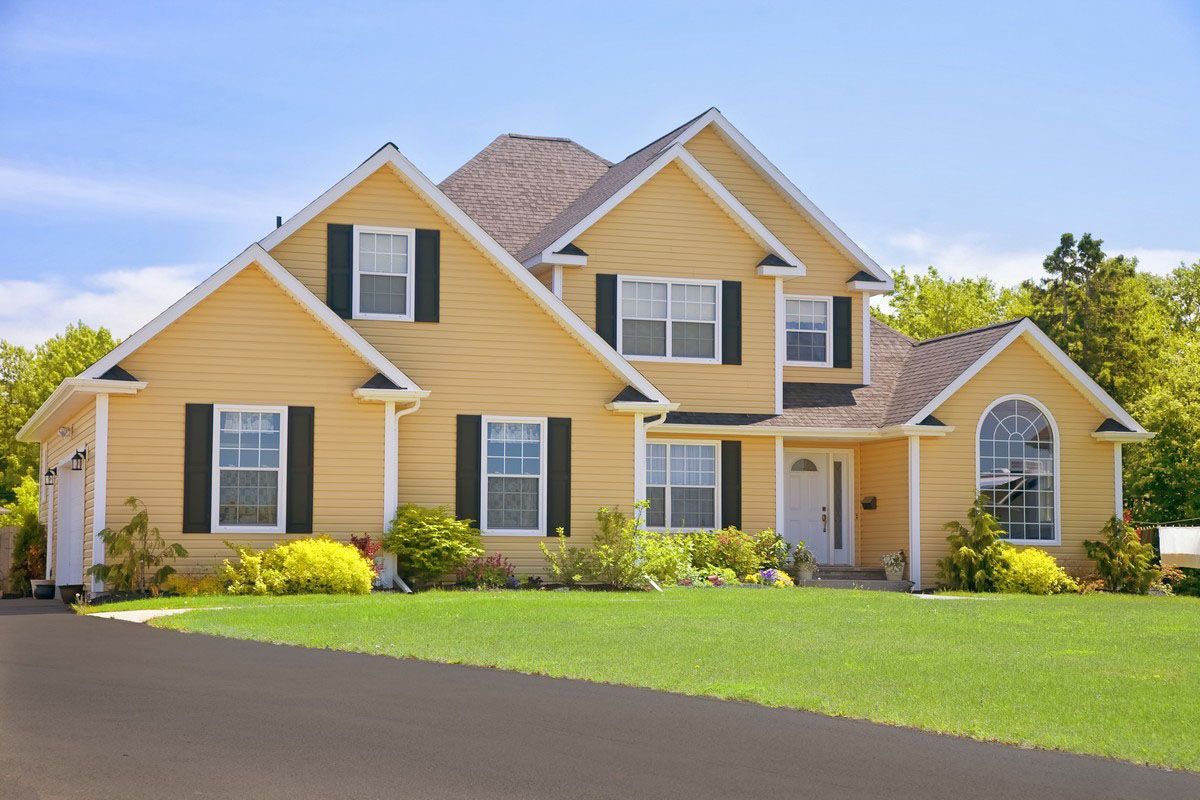
In addition to protection and insulation, siding significantly affects property value and curb appeal. High-quality, well-maintained siding gives a home a fresh, attractive look that can be appealing to potential buyers. Different materials offer various styles; for example, wood might appeal to those seeking a traditional look, while crisp, colorful vinyl can offer a modern touch. By enhancing the home's exterior, good siding naturally boosts its market value, often yielding a positive return on investment when it's time to sell the property.
Weather-Resistance Capability
Different siding materials have varied capacities to withstand weather conditions, making it essential to choose appropriately for the climate. For instance, fiber cement is highly resistant to temperature fluctuations and strong winds, making it ideal for harsh climates. Vinyl, while versatile and broadly resistant, can become brittle in extremely cold temperatures. Understanding these variations helps homeowners make informed choices that align with their local climate challenges. Such decisions aid in prolonging the durability and effectiveness of siding under differing weather conditions.
Misconception 3: Siding Can't Be Customized
Color Choices and Options
Contrary to common belief, siding offers an incredible breadth of color options. Vinyl siding alone comes in hundreds of color choices, allowing homeowners to personalize their exteriors extensively. Painting wood or fiber cement provides even more flexibility, with the possibility of custom color matching available through many suppliers. Siding materials are engineered to hold colors against fading, meaning vibrant looks can last for years. Thus, color customization offers homeowners a creative canvas to reflect personal style and distinct architectural flair.
Textural Variations
Beyond color, siding can be customized with a variety of textures that complement different architectural styles. Wood siding can appear rustic with rough textures or polished with smoother finishes. Vinyl and fiber cement can mimic the appearance of wood grain, stone, or shingles, providing aesthetic diversity. These textural options allow for a nuanced approach to siding that can enhance the aesthetic appeal and value of a property. Whether a homeowner desires a rustic charm or a sleek modern look, the right texture choice can transform a home's exterior.
Combination Possibilities
For those wanting a truly unique look, combining different siding materials and styles is possible. Mixing stone veneers with vinyl or using shingle-style fiber cement alongside traditional lap siding can create striking visual contrasts. This approach allows homeowners to highlight architectural features or craft a distinctive appearance in a neighborhood. Successfully blending materials can also involve different colors, textures, and forms to deliver a coordinated, eye-catching aesthetic. Through combination, the possibilities for exterior transformation are almost limitless, offering both beauty and individuality.
Looking beyond these common myths reveals that home siding is far more than just a decorative shell. By understanding the true performance of modern materials, you can make informed choices that offer the ideal balance of low-maintenance durability, maximum weather protection, energy efficiency, and endless design customization. Investing the time to make the right choice with a siding company like Arrow Building, Inc ensures your home remains secure, efficient, and visually striking for decades to come. Reach out to us today to get started!